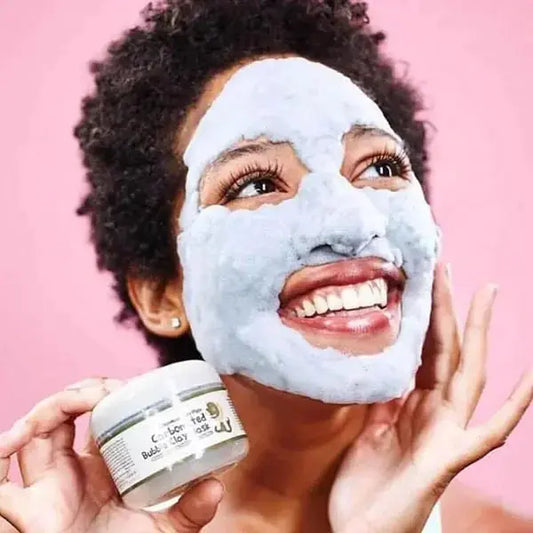
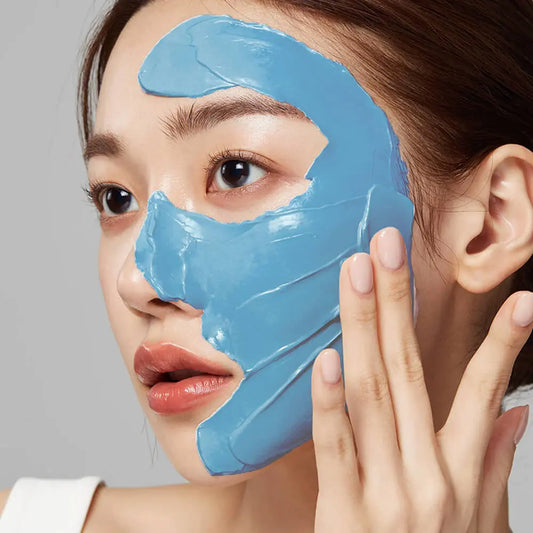
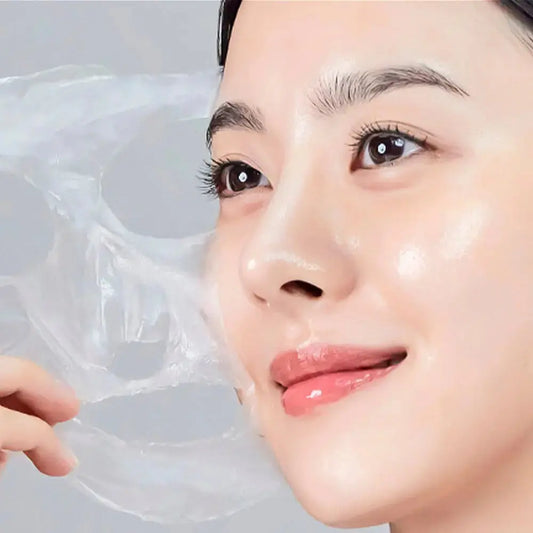
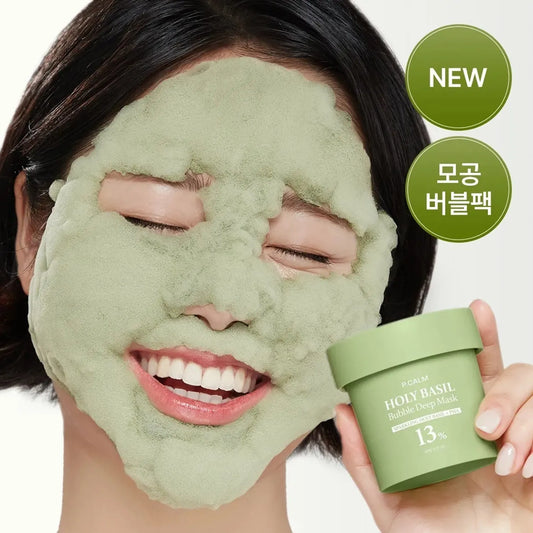
A purifying mask works differently from daily cleansing: it goes on in a thin layer over cleansed skin, sits for a few minutes and rinses off with water. That is why it earns its place as an occasional addition to a routine — for when skin turns shiny sooner than it should, pores read larger, or blackheads gather on the nose and chin.
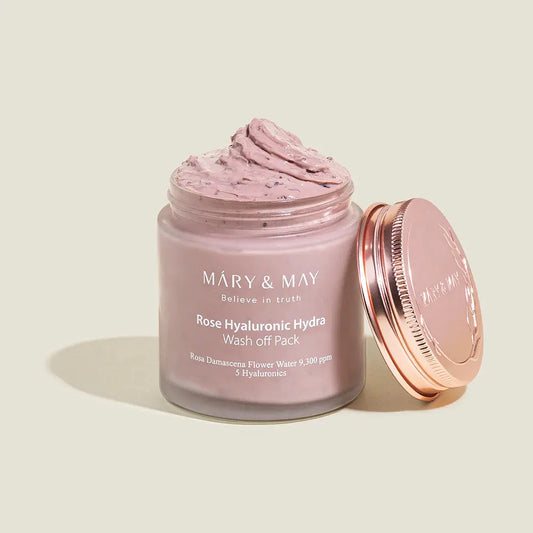
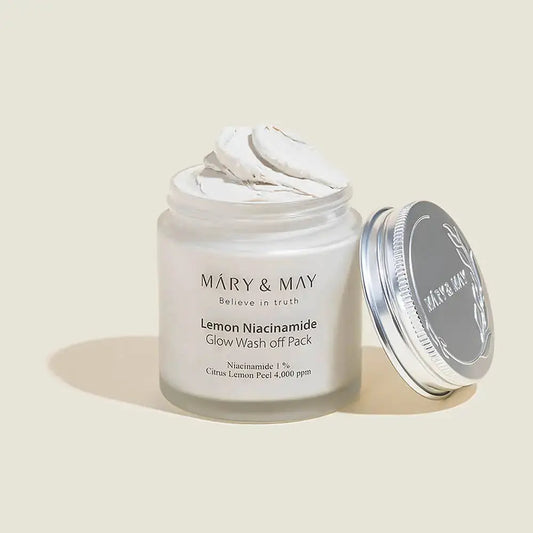
The clay mask is the best-known form in this category: manufacturers often blend several clays of different particle sizes, kaolin and bentonite above all, so the mask picks up both excess sebum and what has settled into the pores — the official glossary of cosmetic ingredients lists kaolin as an absorbent, a substance that takes up oil and moisture. The real difference between masks lies in what accompanies the clay. Some add acids such as AHA and BHA and aim at blackheads and enlarged pores. Others pair clay with rose water, hyaluronic acid or centella so the skin is not left tight after rinsing — the pick when excess oil comes together with a feeling of dryness.
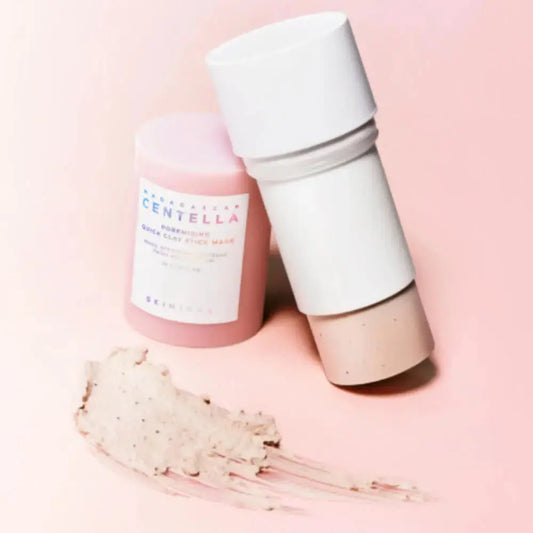
Format differs too: a classic jar mask is applied with fingers or a brush, while a stick glides straight onto the skin with no mess. Nor is wear time universal — one manufacturer asks you to rinse as soon as the mask dries, after three to five minutes, another leaves it on for ten to fifteen — so the safest guide is the packaging itself. Longer is not better: clay that has dried out only pulls at the skin.