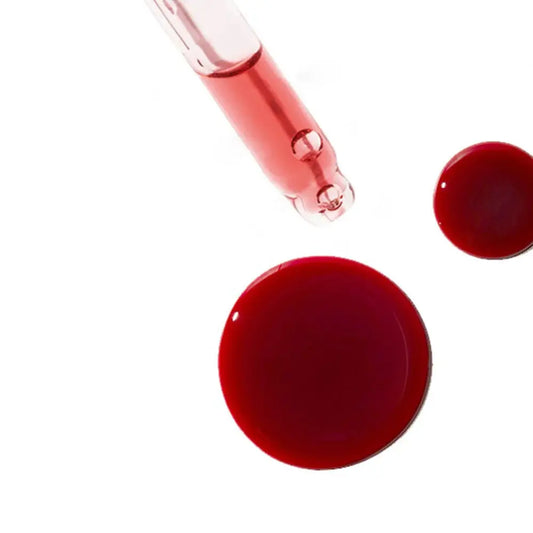
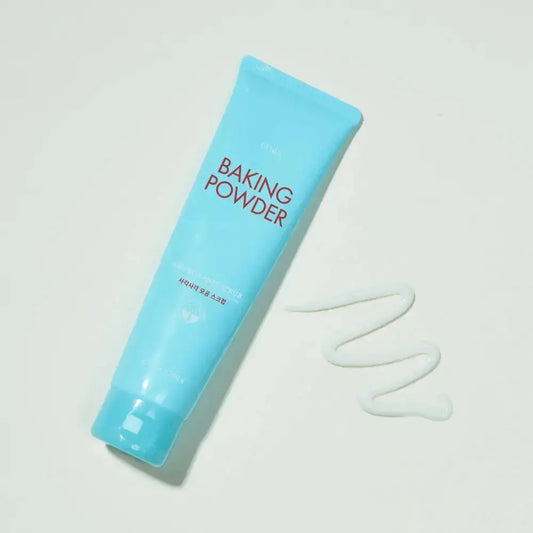
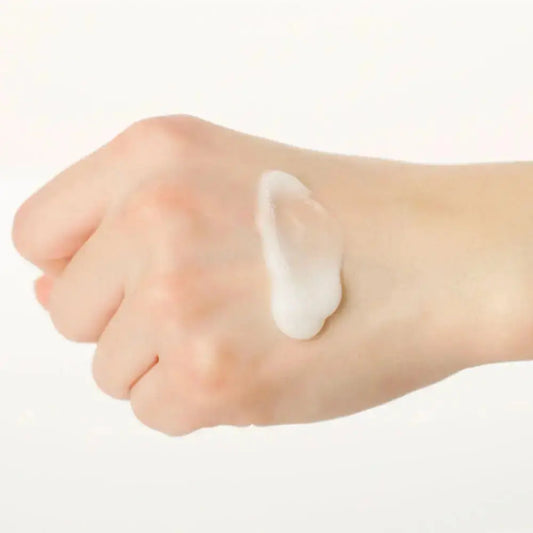
A facial peel removes the layer of dead cells that leaves skin rough and dull. Several roads lead to that goal, and that is exactly how these products are chosen: enzymes, acids, or fine particles that work mechanically.
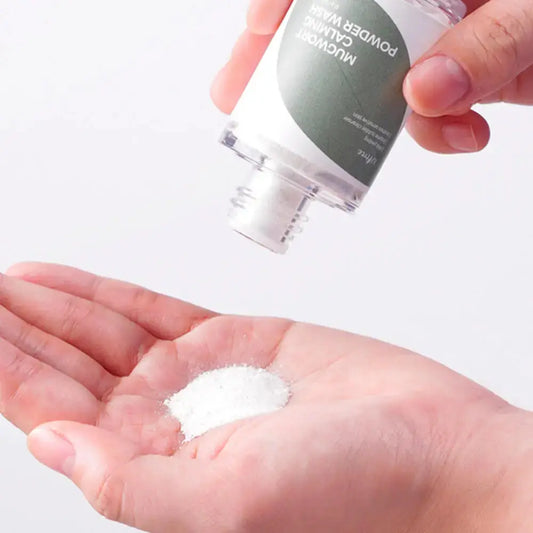
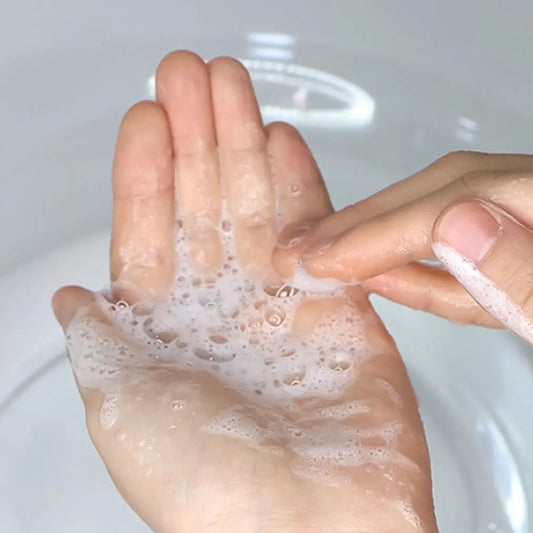
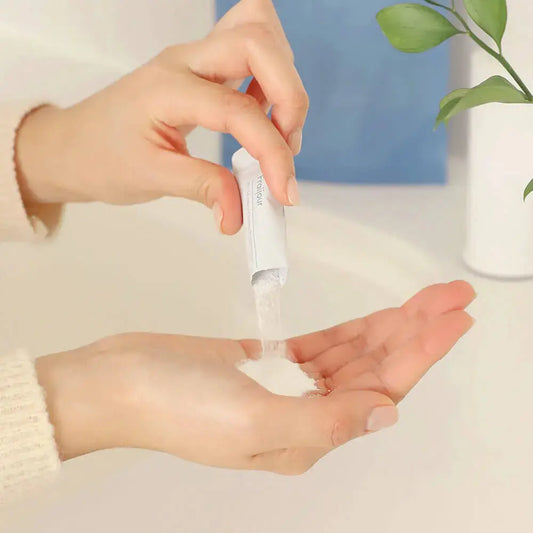
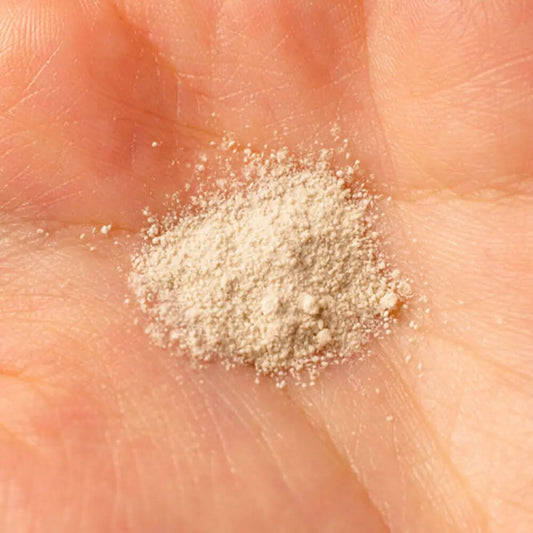
An enzyme peel works gently. It comes as a dry powder that wakes only on contact with water: manufacturers describe it as a fine powder that turns into foam with water and gently lifts away dead cells. Inside are enzymes such as papain and protease, and it works two ways — lathered in wet palms as a face wash, or mixed into a thicker paste and left on the face for five to ten minutes like a mask. That makes an enzyme powder the choice when exfoliation needs to stay gentle, and brands recommend it for blackheads and uneven texture as well.
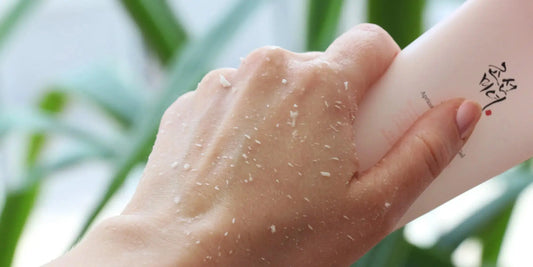
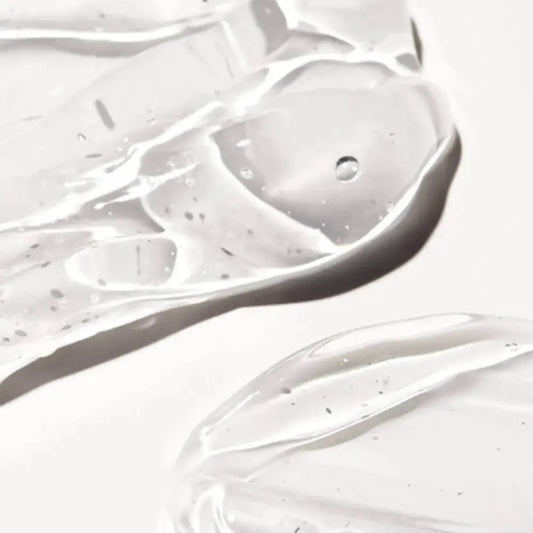
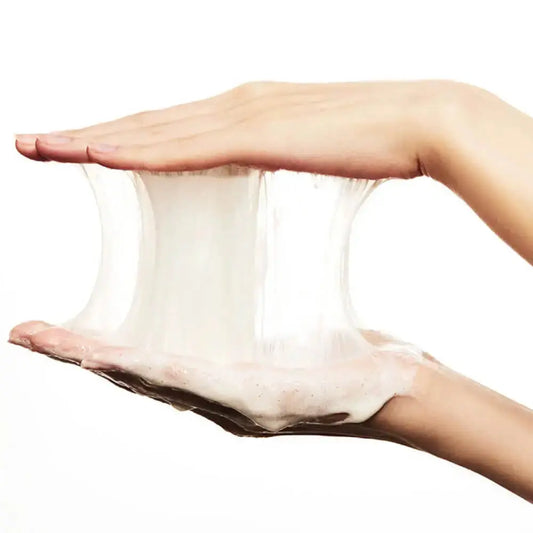
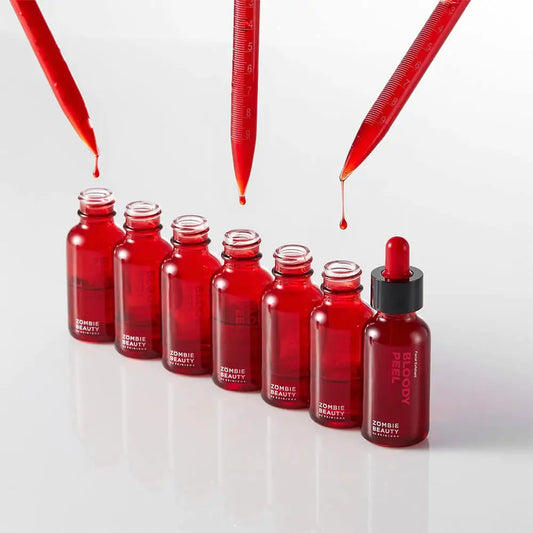
A peeling gel takes another route: applied to dry skin, massaged briefly, rinsed off. Its maker points out that it works without harsh, abrasive particles — plant cellulose does the lifting instead — and it is aimed at dull tone and uneven texture. The third road is acids: AHA, BHA and PHA peels, where the strength is not in the pressure of your hand but written into the formula in advance. These are used less often and with a purpose, and they carry the one rule worth knowing up front: AHAs call for sun protection alongside. How the acids differ and how to introduce them without irritation — in the glycolic acid and AHA guide.