Sunscreen packaging carries two marks that measure different things: SPF grades protection from the burning UVB rays, while the PA rating with its plus signs — the standard mark on Korean packaging — grades protection from the longer UVA rays. The EU recommendation on sunscreens ties the two together: UVA protection should be at least a third of the stated SPF. So SPF50+ PA++++ on a label is not one number repeated twice — it is both halves of the protection spelled out.
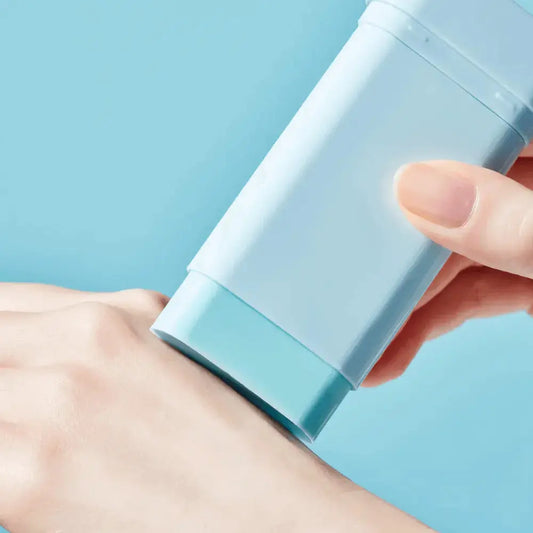
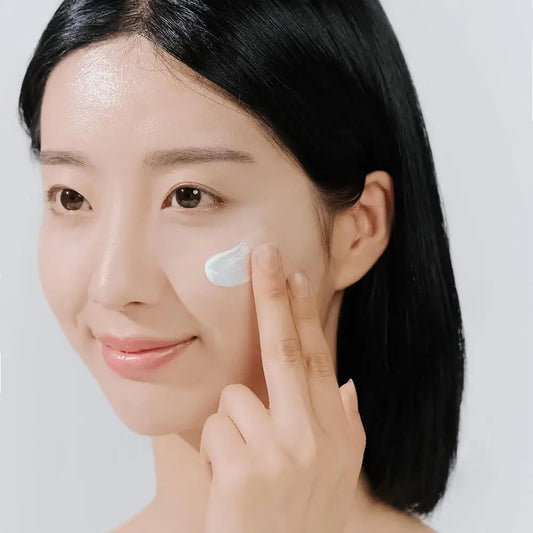
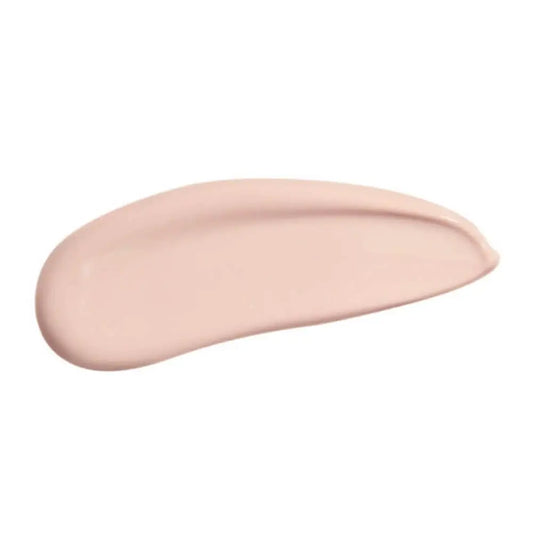
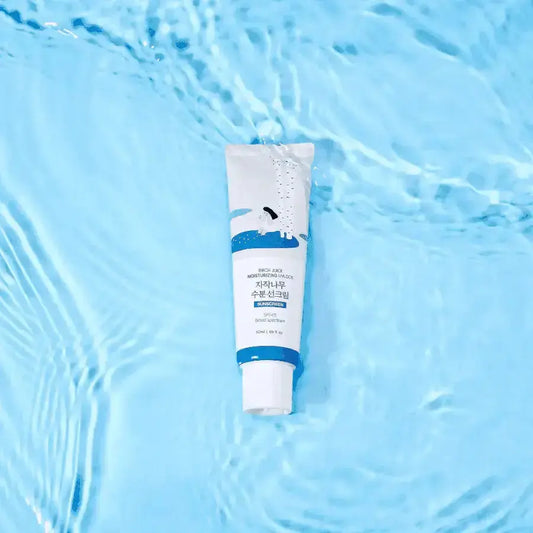
The format decides how the protection actually gets used. A cream or a serum-type is the morning base layer: Skin1004 describes its sun serum as a lightweight, watery serum-like formula that absorbs without a greasy finish and leaves no white cast, with centella and hyaluronic acid among the key ingredients. A stick is the top-up format for the middle of the day: Tocobo calls its sun stick 100% invisible, says it controls sebum and doubles as a primer under makeup, and points to quick, effortless reapplication on the go.
That reapplication is the half of sun care people skip: one morning layer does not last the whole day, which is exactly why sticks and sprays exist. And if there is retinol or acids in your evening routine, morning SPF is part of that routine too — the retinol guide and the salicylic acid guide explain why.