Salicylic acid — better known in Korean skincare as BHA — is the ingredient people pick for clogged pores, blackheads and midday shine. In the CosIng database it is listed under the INCI name Salicylic Acid, with keratolytic (helping lift away dead skin cells) and anti-sebum among its registered functions. What sets it apart from AHA acids is oil solubility: it can work inside the pore, not just on the surface.
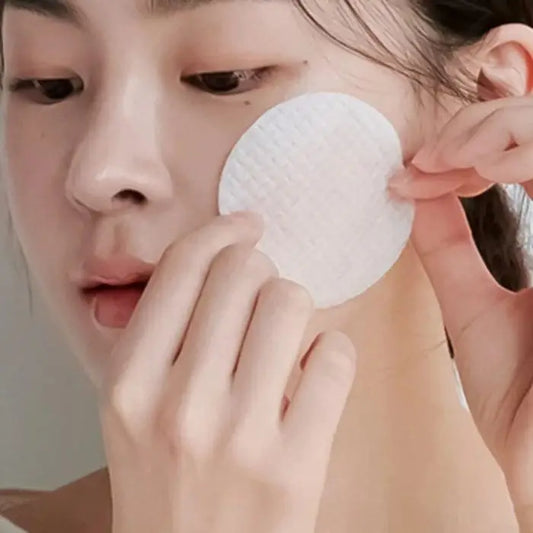
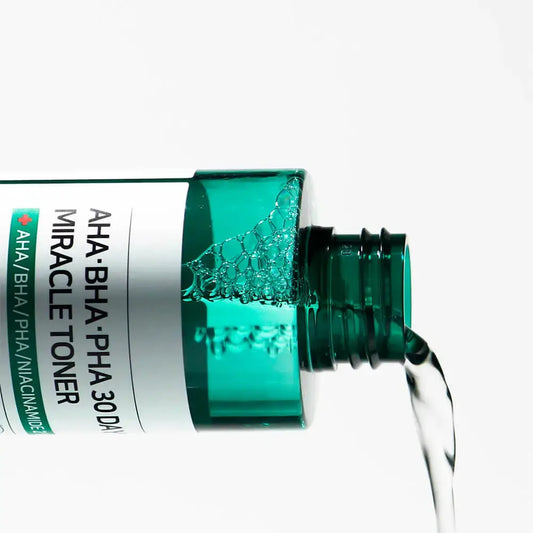
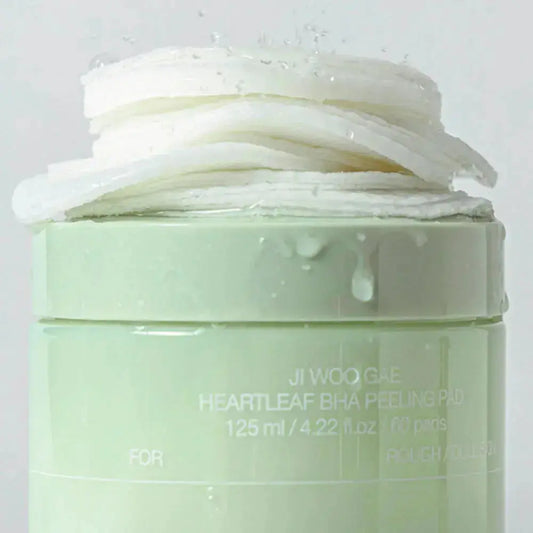
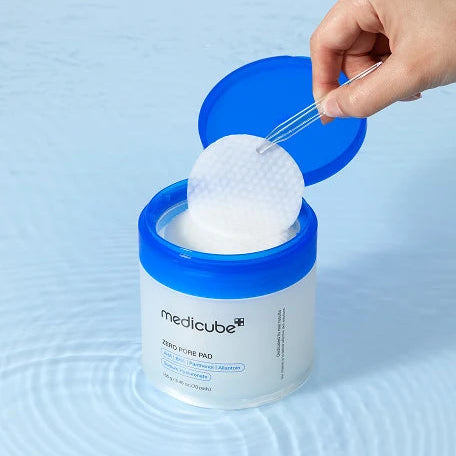
Pick the format by its role in a routine: a toner is the gentlest entry — Beauty of Joseon schedules its AHA+BHA toner for morning and night, with sunscreen during the day; pads dose the application — Celimax states 0.45% BHA for its toner pads; a rinse-off peel is the strongest step — Heimish aims its serum with 21% glycolic and 9% lactic acid at experienced acid users, ten minutes at most, once or twice a week.
Percentages in cosmetics are capped by law (2% at most in products that stay on the face), so it is the whole formula that makes the difference, not a race of numbers. How to introduce the acid without irritation and what to pair it with — in the salicylic acid guide.